
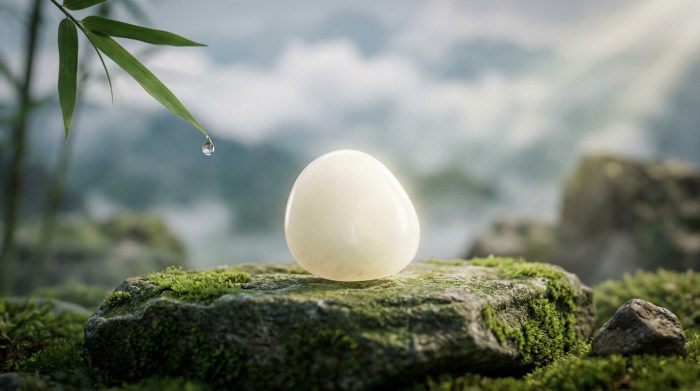
Hetian jade, as a treasure of Eastern culture, has always carried auspicious and beautiful meanings. With the deepening of global cultural exchange, more and more overseas Chinese and jade enthusiasts hope to express their emotions and cultural identity by wearing Hetian jade. However, facing the many uncertainties of cross-border purchases, How to choose overseas Hetian jade bracelets in 2026? Understanding the characteristics, cultural meanings, and reliable purchasing channels of different jade types is the core knowledge every consumer needs to master before making a purchase.
Mutton-Fat Jade vs. White Jade: Core Differences and Selection Guide
Among the many categories of Hetian jade, white jade (haku-gyoku) and mutton-fat jade are often the two most highly regarded types. When many collectors learn about Popular Hetian Jade Bracelet Styles in New York: How to Choose Between Mutton-Fat Jade, Green Jade, and White Jade, they often feel confused about the boundaries between these varieties. In fact, mutton-fat jade is not a category separate from white jade; rather, it is a superior quality of white jade that meets specific high standards of texture and oiliness.
To more clearly illustrate the differences between the two, we can make an objective comparison using the following table:
| Dimension | Ordinary White Jade | Mutton-Fat Jade |
|---|---|---|
| Color Appearance | Presents pure white or slightly greenish, grayish tones | Not pure white, but a warm white with an oily luster, slightly yellowish or pinkish |
| Texture Characteristics | Relatively compact structure, with some translucency | Extremely fine (kimegokai) structure, interwoven densely, almost no visible internal crystals |
| Oily Feel | Good luster, becomes warm and smooth after handling | Extremely high oily (tsuya) luster, offering a visual and tactile experience reminiscent of solidified mutton fat |
| Market Positioning | Suitable for daily wear, diverse styles, broad audience | A collector-grade treasure, rare in production, suitable for experienced collectors or high-budget buyers |
Note: Whether for white jade or other jade types (such as green-white jade, green jade, or black jade), the value must be assessed based on jade quality, carving craftsmanship, and clarity. Do not blindly pursue a name alone.